Consciousness is the awareness of one’s surroundings and inner self. It includes waking, dreaming, and meditative states. Expanding consciousness involves practices like mindfulness, meditation, and emotional healing, leading to greater self-awareness and personal growth.
Consciousness is a complex and multifaceted concept that refers to the state of being aware of and able to think, perceive, and experience one’s surroundings, thoughts, and emotions. It encompasses everything from the most basic forms of awareness, like recognizing pain or pleasure, to the more profound aspects of self-awareness, introspection, and the ability to reflect on one’s own existence. It is fundamentally about awareness—being aware of the world around us (external consciousness) and aware of our inner experiences, thoughts, and feelings (internal consciousness).
Different states of consciousness include waking, dreaming, meditative, and altered states induced by substances or other practices. Each state can provide different experiences of awareness. In philosophy and neuroscience, the “hard problem” of consciousness refers to the challenge of explaining why and how subjective experiences arise from physical brain processes. Despite advances in science, this remains one of the most profound mysteries.
In spiritual and metaphysical contexts, consciousness is often seen as a fundamental aspect of existence, sometimes described as a universal field or energy that connects all living beings.
In my practical teaching I like to use below drawing. Two equal circles overlapping each other. It looks simple and it is easy to remember as a quick reference. It emanates from a small part of sacred geometry, more specifically a simple symbol called Vesica Piscis.
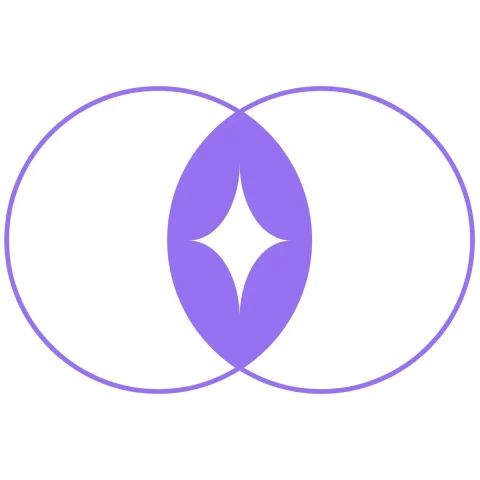
Imagine that this drawing represents the wholeness of your consciousness. The middle part where two circles are overlapping represents your awake consciousness. Things that you know and experience daily. The left circle empty space represents part of your consciousness that you are not aware of in awake mind. It holds your subconscious mind and all of the physical processes in your body that you are not aware of and do not have conscious control. For example, your breathing, digestion, the beating of your heart, cellular divisions, the growth of your hair and nails…. Etc
The right circle empty space represents your supra-consciousness. Your higher self, your Soul’s memory. Graphically speaking raising your consciousness is the increase of the space where those two circles overlap.
In practice, raising your consciousness involves expanding your awareness, deepening your understanding of yourself and the world, and elevating your state of being to a higher, more mindful, and compassionate level. Here are some effective ways to raise your consciousness:
- Practice Mindfulness and Meditation
Regular meditation helps quiet the mind, increase awareness, and foster a deeper connection with your inner self. Mindfulness, the practice of being fully present in the moment, can help you become more conscious of your thoughts, feelings, and actions. - Self-Reflection and Journaling
Reflecting on your thoughts, emotions, and behaviours through journaling or contemplation can provide insights into your subconscious patterns, helping you understand and change limiting beliefs. - Engage in Spiritual Practices
Practices such as yoga, Reiki, prayer, or breathwork can help align your energy, clear emotional blockages, and connect you to a higher state of consciousness. - Expand Your Knowledge and Awareness
Read books, attend workshops, and explore teachings on consciousness, spirituality, and personal growth. Learning about different perspectives can broaden your understanding and elevate your mindset. - Develop Emotional Intelligence
Cultivate emotional awareness and manage your emotions effectively. Understanding and releasing negative emotions, such as anger, fear, or resentment, can significantly raise your vibrational frequency. - Live with Purpose and Intention
Align your actions with your values and purpose. Living intentionally rather than reactively helps you make conscious choices that support your growth and higher self. - Practice Gratitude and Positive Thinking
Gratitude shifts your focus from what’s lacking to what you appreciate, raising your emotional vibration. Positive thinking helps rewire your brain to focus on possibilities rather than limitations. - Surround Yourself with Positive Energy
Spend time with people who uplift and inspire you. The energy of those around you can impact your state of consciousness. Seek environments that support growth and positivity. - Embrace Compassion and Forgiveness
Letting go of grudges and cultivating compassion for yourself and others can free your heart and mind, allowing for a more expansive and elevated state of being. - Connect with Nature
Spending time in nature can ground you and help you reconnect with the natural flow of life, bringing a sense of peace and heightened awareness. - Stay Present and Let Go of the Ego
The ego often drives fear, judgment, and separation. Practicing presence and recognizing ego-driven thoughts can help you transcend them and connect with your true self. - Heal Past Wounds
Work on healing emotional traumas and releasing old patterns that keep you stuck in lower states of consciousness. Therapies like Emotional Journey Therapy, shadow work, or energy healing can be transformative. - Practice Acts of Kindness and Service
Helping others and engaging in acts of kindness shifts your focus outward and raises your consciousness by fostering a sense of interconnectedness and love.
Raising your consciousness is a lifelong journey that requires commitment, self-awareness, and a willingness to evolve. Each step you take brings you closer to living a more enlightened, fulfilled, and harmonious life.